Showing posts with label BJCP. Show all posts

March 15, 2019

BJCP judging exam 후기

왼쪽부터 Festbier, Australian sparkling ale, Weissbier, Tropical stout, Belgian dark strong ale, American brown ale

지난주 토요일(3/9)에 첫 judging exam을 보게 되었다. entrance에 붙자마자 별로 준비할 시간은 없었지만 마침 학교에서 열리는 시험에 티오가 있어서 좋은 기회라고 생각했다. 티오도 적고(이번엔 12석) 열리기도 띄엄띄엄 열려서 보고 싶다고 언제나 볼 수 있는 시험은 아니기 때문에.
시험날 듣고 충격이었던 점은 채점에 6개월이 걸린다는 사실이었다. 채점관은 National judge혹은 그 상위만 가능한데 이들 수가 매우 적고, 모두 자원봉사로 이루어지는데다, 수기 채점에 채점지가 우편으로 왔다갔다 하는지라 저런 말도 안되는 기간이 걸린다고.
Judging exam 첫 응시는 미화 40달러, 재응시부터는 15달러가 드는데 내 첫 응시료를 고맙게도 학교에서 대납해줬다. 크신 은혜! 강 같은 은혜!

6종류의 맥주가 제시되고 각 맥주를 15분간 심사한다. 클로즈북 테스트이며 각 샘플이 제공될때 해당 맥주의 BJCP 카테고리를 알려준다. Aroma, appearance, flavor, mouthfeel, overall impression을 BJCP 스타일 가이드 기준에 따라 평가하는 것이 시험 내용이다. 시험장에는 Proctor 2명이 함께해 구분된 공간에서 같은 맥주를 심사한다.

샘플은 상업 맥주와 홈브루 맥주가 섞여 제공된다. 홈브루 맥주는 이번 시험에서 오거나이저 역을 맡은 센서리 선생님 작품. 캐나다에서 쉽게 볼수 없는 (그것도 쿠어스 홈브루 캔으로 만든)Australian Sparkling Ale을 출제하여 학생들의 원성을 샀다 ㅋㅋ 나도 그날 생전 처음 먹어봤다.

시험 보기 전에 들었던 조언은 아래와 같았다.


  • 평가지가 요구하는 항목을 모두 작성하기
  • 매 평가항목을 기술함에 있어 intensiveness+description 양쪽을 모두 작성하기
  • 평가지의 여백을 가능한 꽉 채우기
  • 스타일 가이드에 맞지 않는 점을 발견했을 경우 이 점을 기술하고 반드시 실제로 적용 가능한 조언을 매너있게 작성하기(꼭 칭찬 한가지는 하기)
  • 스타일 가이드에 맞지 않는 점을 발견했을 때 프로세스에 대해 섣부른 추측 엄금 등


실제로 해보니 시간도 부족하고 여백도 부족했다. 샘플도 샘플이지만 그 사이사이에 물도 마시느라 화장실에 너무 가고 싶었는데 ㅋㅋ 갈 시간이 없었다.
시험 종료 후 프록터들이 나와서 자기들이 심사한 후기를 들려준다. 프록터가 괜찮다고 한 브라운 에일은 나한텐 너무 심하게 태운 로스티여서 점수를 비정하게 줬는데. 물론 프록터가 일종의 스탠더드인건 맞지만, 프록터와 의견을 달리했다고 해서 반드시 점수를 잃는건 아니라고 한다. 채점시 고려되는 사항 중 일부인듯. 

이 시험에서 60점 이상을 얻어야 패스할 수 있다. 60점 미만은 apprentice 등급이다. BJCP ID를 갖지만 준회원 자격이라 재시험을 쳐야 한다. 60~70점 미만은 Recognize judge 자격을 얻는다. 70점 이상 받고 5+점의 experience point를 채우면 Certified judge 자격을 얻는다. (최소 2.5 포인트는 실제 judging으로 얻어야 한다) 그 위가 내셔널, 그 위가 마스터...!

현재 나처럼 entrance exam만 패스한 사람은 provisional judge 등급인데 이건 준회원조차도 아니고 예비회원.. ㅎㅎ 하지만 지금도 stewarding, judging으로 experience point는 미리 채울 수 있다. 나도 이번달 말에 처음으로 대회 심사에 나갈 예정이다. 그것도 후에 후기를 들고 오겠음.

February 27, 2019

BJCP entrance exam 합격 후기

용기를 내서 도전해봤는데 결과가 좋았다. 첫 시도만에 합격!
총 180개 객관식 문항이고 영어가 제1언어가 아닌 외국인에게는 30분을 더 준다. (총 90분) 이런데 괜한 자존심 발휘할 필요 전혀 없지... 결국 90분 꽉 채워 썼음.

오픈북 테스트이기 때문에 자료를 빨리 찾는 환경 만들기가 정말 중요한데, 스타일 비교는 아래 사이트가 유용했다.
아래 사이트에서 무료 모의고사도 제공하는데 별로 추천하진 않음... 실제보다 더 꼬아서 내는거 같고 저 모의고사 때문에 지나치게 겁먹어서 씨서론(응시료 69달러! BJCP는 10달러!)으로 우회한 전적이 있다.

https://www.beersyndicate.com/app/Tool/CompareBeerStyles

하지만 진짜 중요한 자료는 BJCP 사이트에서 배포하는 BJCP study guide였다. 시험에서 스타일 비교 말고도 decoction masing의 특징, mashing temperature의 영향 등 양조 기술이나 off flavor trouble shooting 관련해서도 묻는데 그건 스타일 가이드만 봐서는 알 수가 없다. 수업 받은 기억을 총동원...(관자놀이 짚)!! 해서 아무튼 어찌저찌 넘겼지만 알고보니 BJCP study guide에 전부 정리되어 있었다는 것...
심지어 이 자료에는 스타일 비교할때 어떤 스타일끼리 매칭되는지도 정해져 있다. 솔직히 단시간 내에 스타일 가이드를 전부 머릿 속에 넣는건 말도 안되고, 자주 출제되는 쌍을 미리 알면 유리한데 이 자료를 몰라서 그간 너무 겁먹고 헤맸던 것 같다. (출제 대상 쌍이 110개나 되긴 한다... 그래도 짚더미에서 바늘 찾기보단 낫다고 봄)

스타일 가이드는 물론 가장 중요하지만 100% 정복한다는 허황된 목표에서 빨리 벗어나고 ㅋㅋㅋ 이 스터디 가이드를 정독하는 것 매우 추천.
내친김에 Judging exam 신청해서 2주 뒤에 시험 본다.. 크큭.. 이거는 오픈북도 아닌데 내 돈.. 날릴꺼 같애..
그래도 졸업하기 전에 Recognized(60% 이상 맞춤) or Certified Judge(70% 이상) 되는게 목표다. 

스터디 가이드에 물론 내가 이미 아는 얘기도 많았지만 새로 알게된 사실도 많아서(그리고 자신있게 오답 찍은 기억들이 새록새록 되살아났다) 아래 노트 좀 남기겟슴.


  • pH reduction during boiling: due to enzymatic degradation of phytin in the malt -> phytic acid + calcium (or magnesium) phosphate. most of phytic acid combines with free calcium ion -> calcium phosphate(precipitate) + release free hydrogen ion 
  • sodium accentuates sweetness at low volume
  • sulfate ion accents hop bitterness and dryness
  • chloride enhances sweetness at low conc. 
  • acid rest: where phytase breaks down phytin into calcium (or magnesium) phosphate + phytic acid, 35~50 range; in this range, beta-glucanases also activate
  • protein rest: proteinases break down protein into polypeptides -(peptidase enzyme)-> peptides + amino acids, essential for proper yeast growth and development. range 45~53
  • starch conversion: temperature below 65 favors beta-amylase (fermentable wort), above 68 favors alpha-amylase (dextrinous wort)
  • mash out: 76=deactivation of the amylase activity, lower the viscosity of the wort
  • decoction mashing: promotes the formation of melanoidins (maillard reaction) = amino acids + reducing sugars in the presence of the heat. a possible side effect of the extended mash is the extraction of higher levels of tannins and DMS precusors from the grain husks. 
  • a good rolling boil for one hour is necessary to bind hop compounds to polypeptides, forming colloids that remain in the beer and help form a good stable head. 
  • less than one hour boiling: there will not be a adequate hot break to remove undesirable proteins -> affect shelf life (the proteins will promote bacteria growth over time) 
  • rapid chilling: minimizes the risk of contamination by Lactobacillus or wort-spoilage bacteria and produces an adequate cold break. 
  • cold break: can provide carbon skeltons to yeast for sterol synthesis <-> excessive levels may lead to elevated level of esters and fusel alcohols.
  • fining: Irish Moss, Whirlfloc tablets=kettle fining agents, aid in coagulation and precipitation of proteins during the cold break. silica hydrogel, gelatin, isinglass, polycar=the end of fermentation to promote the sedimentation of residual protein-polyphenol complexes or yeast. 
  • first wort hopping: to add hops to the first sweet wort runnings from lautering. higher pH->extract finer qualities of the hop flavor, more refined bitterness. the technique is an old German method used for hop centered style(Pilsner). 
  • by product of yeast: ester, fusel alcohol, diacetyl, sulfur compounds. easter=an organic alcohol + an acid. fusel alcohol=contains more carbon atoms than ethanol, are produced by the metabolism of amino acids. 
  • Fusel alcohol: can be produced by the conversion of amino acids to higher alcohols via deamination, decarboxylation, reduction processes. 
  • to minimize the formation of ester & fusel alcohol: a healthy amount of FAN, the wort is chilled less then 24(for ales) 13(for lagers), sufficient aeration, the fermentation temperature within optimal range. 
  • diacetyl: increase the probability->higher fermentation temperatures(but absorbing also greater), introduction of oxygen, yeast strain. diacetyl is dependent on yeast contact=premature removal of the beer from yeast lead to elevated diacetyl level. diacetyl can be produced by Gram-positive bacteria (lactobacillus, pediococcus). 
  • astringency: can be produced by the extraction of tannins, water with high sulfate or magnesium, polyphenols that resulted from spoilage by acetobacter or wild yeast, oxidation(of polyphenols and aldehydes), spice(coriander, orange peel, cinnamon), over attenuation and low dextrin level. 
  • astringency acceptable styles: American IPA, American porter, Flanders Red Ale
  • DMS: is produced by the heat-induced conversion of SMM. wild yeast or Zymomonas bacteria may produce a high level of DMS. DMS acceptable (American lager, cream ale, International lager, Munich Helles, German Pils) DMS unacceptable (ales, Czech lagers, amber lager, dark lager)

January 20, 2019

style comparison 1

1. American porter vs. American stout
American porter
  • dark malt
  • brown color in variation, clear
  • moderate strong maltiness, lightly burnt flavor
  • dryness in the finish
  • medium body in variation
American stout
  • roasted, bitter, hoppy 
  • jet black color, opaque
  • coffee, coffee bean, bittersweet chocolate, caramel flavor
  • roasted, caramel malt

2. Belgian golden strong ale vs. Belgian Trippel
Belgian GSA
  • pale, complex, effervescent, highly attenuated
  • more hoppy than phenolic
  • pear, orange, apple aroma
  • yellow~moderate golden color
  • pear, orange, apple flavor
  • light to medium body
  • super high carbonation
  • paler, lighter, crispier, drier than Trippel
Belgian Trippel
  • spicy, round malt, firm bitter
  • significant spiciness
  • spicy, peppery, clove-like, orange, banana aroma
  • deep yellow to deep gold color
  • citrus ester, bitter aftertaste
  • medium body in variety
  • high carbonation
  • darker, fuller, more phenolic than GSA

3. Sweet stout vs. Tropical stout
Sweet stout
  • coffee & cream, sweetened espresso
  • mild roasted aroma, coffee, chocolate aroma
  • dark roasted grain flavor
  • low to medium fruity
  • lactose, maize, brewing sugar
  • sweeter than other stout except for Tropical
  • milder roast than other stout
Tropical stout
  • roasty without burnt harshness
  • molasses, licorice, dried fruit, vinous aroma
  • sweet rather than bitter
  • sweet finish
  • medium to high fruity
  • rum-like flavor
  • warm-fermented lager yeast
  • scale up sweetness and fruitiness
  • sweeter, less hoppier, less bitter than porter or stout

4. Scottish export vs. Wee heavy
Scottish export
  • no peat smoke
  • breadcrumb, lady finger, English biscuit aroma
  • butter scotch aroma
  • off-white head
  • bready, caramel, rich toast not roasty
  • medium body in variety
  • low to medium carbonation
  • smaller wee heavy
  • ABV 3.9~6.0
Wee heavy
  • strong caramel, low smokey aroma
  • low diacetyl ok
  • significant caramel flavor
  • nutty, plum, raisin, dried fruit flavor
  • medium to full body
  • similar to English barley wine
  • ABV 6.5~10

December 17, 2017

27. Historical Beer

요약

  • Gose 사워, 코리앤더, 소금 밀맥주. 고탄산. Gose 강유역에서 시작돼 Leipzig에서 유명 
  • Kentucky Common 옥수수, 첨가물, DMS ok. 어두운 맥주 
  • Lichtenhainer 스모크, 약사워. 스모크 고제 느낌. 과일 피니시. 튀링겐 지역 맥주  
  • London Brown ale 약로스티. 잔당. 후발효 당첨가. 
  • Piwo Grodziskie 오크-스모크 밀. 노 사워. 폴란드 맥주
  • Pre-Prohibition lager 옥수수, DMS ok. 옥수수 혹은 쌀첨가. 미국 모던홉 안됨. 
  • Pre-Prohibition porter DMS, diacetyl ok. 첨가물(licorice). 콘. 약 burnt
  • Roggenbier 호밀+바이젠 Regensburg 지방 맥주
  • Sahti 바나나, 클로브, 주니퍼, 찐득+헤비, 노보일링, 핀란드 전통 맥주

Gose 

Aroma

  • fruity esters, pome fruit
  • light sourness
  • noticeable coriander
  • salt, very light

Appearance

  • medium yellow
  • moderate to full haze
  • white head

Flavor

  • malt flavor: initial, honeyed biscuit or cracker
  • hop flavor: moderate
  • hop(+yeast) bitterness: moderate 
  • fruit esters
  • light to moderate phenolic(spicy, peppery, clove)
  • crisp, dry finish

Mouthfeel

  • medium-light to medium-full body
  • high to very high carbonation
  • should not have noticeable alcohol warmth

Style comparison

  • w/ Berliner Weisse or Gueuze: less acidity 
  • w/ witbier: similar coriander aroma 
  • w/ weissbier: similar haziness

History and Comments

served in a traditional cylindrical glass. minor style associated with Leipzig but originating in the Middle Ages in the town of Goslar on the Gose River.

Characteristic ingredients

wheat malt  
Anderson Valley Gose


Kentucky Common

Aroma

  • malt aroma: low to medium, corn-like or sweet 
  • hop aroma: medium to moderately-low floral, spicy
  • low DMS acceptable
  • no sourness

Appearance

  • Amber orange~light brown
  • white to beige head 

Flavor 

  • malt flavor: moderate, caramel
  • adjuncts flavor, corn-like sweetness 
  • hop flavor: medium to low
  • hop bitterness: medium to low
  • lightly flinty(분필) or minerally-sulfate in the finish

Mouthfeel

  • medium to medium-light body
  • highly carbonation

Style comparison

  • w/ cream ale: darker, emphasizing corn, lighter malt
  • w/ int amber, dark lager, Irish red, Belgian pale ales: similar malt flavors and balance

History and Comments

a lactic sourness is likely a modern homebrewer invention. exclusively produced and sold around the Louisville Kentucky metropolitan area. the darker grains were added by the German brewers to help acidify the typical carbonate water of the Louisville area.

Characteristic ingredients

35% corn grits, Native American hop, imported continental Saazer-type hop 
Apocalypse Brew Works Ortel's 1912

Lichtenhainer 

Aroma

  • moderate strong smoke aroma
  • light sourness
  • medium-low fruity esters(apple, lemon)
  • dry character(old fire, not greasy)

Appearance

  • deep yellow~light gold

Flavor

  • moderately strong fruity flavor
  • moderate intensity, clean lactic sourness(no funk)
  • medium strength smoke character
  • dry finish
  • low bitterness(from acidity, not hop)
  • lemony-tart, green apple flavor strong in the finish

Mouthfeel

  • medium to medium-light body
  • high carbonation

Style comparison

  • w/ Berliner Weisse: less acidic
  • w/ gose: smoked, w/o coriander and salt
  • w/ Grodziskie: w/ gose-like acidity

History and Comments

originating in Lichtenhain, in Thruringen(central Germany)

Characteristic ingredients

wheat malt

London Brown Ale 

Aroma

  • malt aroma: moderate
  • hop aroma: very low to no
  • fruity esters

Appearance

  • medium~very dark brown(nearly black)
  • off-white to tan head

Flavor

  • malt flavor: deep caramel or toffee-like, coffee
  • fruity esters
  • hop flavor: low to no
  • hop bitterness: low
  • moderately-low to no roasty or bitter black malt
  • sugary-sweet

Mouthfeel

  • medium body
  • medium-low to medium carbonation

Style comparison

  • w/ sweet stout: less roasty, lower gravity
  • w/ dark mild: sweeter

History and Comments

frequently used as a sweet mixer with cask mild and bitter in pubs. commercial versions can be pasteurized and back-sweetened.

Characteristic ingredients

wheat malt, post-fermentation sweetening with lactose or artificial sweetness, or sucrose
Mann's Brown Ale

Piwo Grodziskie 

Aroma

  • oak wood smoke
  • hop aroma: low
  • grainy wheat
  • light pome fruity esters
  • no acidity
  • sulfury notes

Appearance

  • pale yellow~medium gold
  • mulkiness is a fault

Flavor

  • moderately-low to medium oak smoke flavor(gentle, not acrid매캐함)
  • moderate to strong bitterness(balance toward bitterness)
  • hop flavor: low but perceptible
  • low grainy wheat
  • light pome fruit ester(red apple, pear)
  • dry, crisp finish
  • no sourness

Mouthfeel

  • light body
  • quite high carbonation
  • no noticeable alcohol warmth

Style comparison

  • w/ Berliner Weisse: similar in strength, never sour 
  • w/ Rauchbier: less intense in smoked character

History and Comments

traditionally made using a multi-step mash, a long boil(~2 hours), and multiple strains of ale yeast. Isinglass is used to clarify before bottle conditioning. developed as a unique style centuries ago in the Polish city of Grodzisk.

Characteristic ingredients

wheat malt, oak-smoked wheat malt

Pre-Prohibition Lager 

Aroma

  • corn-like sweetness
  • hop aroma: medium to moderately-high
  • a fruity or citrusy modern hop is inappropriate
  • low DMS acceptable

Appearance

  • yellow~deep gold

Flavor

  • corn-like roundness
  • hop flavor: medium to high
  • hop bitterness: medium to high
  • crispier, drier in all malt or rice-based version

Mouthfeel

  • medium body
  • medium to high carbonation

Style comparison

  • w/ Czech Premium Pale Lager: similar balance and bitterness w/ American native grain and hop 
  • w/ American pale lager: more robust, bitter, flavorful, higher alcohol

History and Comments

a version of pilsner brewed in the USA by immigrant German brewers

Characteristic ingredients

30% flaked maze or rice
Anchor California Lager

Pre-Prohibition Porter 

Aroma

  • slight burnt or chocolate notes
  • low DMS acceptable
  • no to very low esters
  • light adjuncts(licorice, molasses) acceptable
  • diacetyl low to none

Appearance

  • medium~dark brown
  • light to medium tan head

Flavor

  • low levels of chocolate or burnt black malt notes
  • low caramel, biscuit, licorice
  • corn/DMS acceptable
  • hop flavor: low to none
  • hop bitterness: low to moderate

Mouthfeel

  • medium light to medium body
  • moderate carbonation
  • slight astringency

Style comparison

  • w/ Czech Premium Pale Lager: similar balance and bitterness w/ American native grain and hop 
  • w/ American pale lager: more robust, bitter, flavorful, higher alcohol

History and Comments

known as Pennsylvania Porter or East Coast Porter. commercially brewed in Philadelphia during the revolutionary period.

Characteristic ingredients

adjuncts are acceptable, including corn, brewers licorice, molasses, and porterine.
Yuengling Porter

Roggenbier 

Aroma

  • spicy rye aroma
  • weizen yeast aromatics(clove, fruity esters either banana or citrus)

Appearance

  • light coppery orange~very dark reddish or coppery-brown
  • off-white to tan color

Flavor

  • moderately-low to moderately-strong spicy rye flavor(like pumpernickel bread)
  • low to moderate weizen yeast character
  • hop flavor: low to moderate
  • hop bitterness: medium to medium-low

Mouthfeel

  • medium to medium-full body
  • high carbonation

Style comparison

  • w/ dunkelweizen: using malt rye 
  • w/ American rye beers: weizen yeast character

History and Comments

it is inappropriate to add caraway seeds to a roggenbier. a specialty German rye beer originally brewed in Regensburg, Bavaria.

Characteristic ingredients

50% malted rye, wheat malt
Thurn und Taxis Roggen

Sahti 

Aroma

  • high banana esters, moderate to moderately-high clove-like phenolics
  • not sour
  • low to moderate juniper character
  • light alcohol aroma

Appearance

  • pale yellow~dark brown

Flavor

  • strong banana, moderate to moderately-high clove
  • moderate rye flavor
  • pine-like juniper
  • gin-liek juniper berries
  • hop flavor: no
  • hop bitterness: low
  • no roast
  • not sour

Mouthfeel

  • thick, viscous, heavy with protein
  • still to medium-low carbonation
  • strongly warming

Style comparison

  • w/ weizenbock: strong resemblance, but sweet and thick with a rye and juniper 

History and Comments

indigenous traditional style from Finland

Characteristic ingredients

rye, top-fermenting baker's yeast, not boiled

December 10, 2017

26. Trappist Ale

요약

  • 26A(Trappist single) 독일 필스의 벨지안 에일식 변형. 이스트, 에스테르(시트러스, 복숭아), 드라이. 중~고탄산. 4.8~6도 
  • 26B(Dubbel) 몰트 포워드(<복). 알콜(<벨지안다크스트롱).중간 드라이. 중탄산. 에스테르(건과일). 6~7.6도 
  • 26C(Trippel) 호피+페놀의 쓴맛. 에스테르(시트러스). 드라이. 고탄산. 7.5~9.5도 
  • 26D(Belgian dark strong ale): 듀벨+몰트. 트리펠의 세기, 쓴맛은 덜함. 에스테르(건과일), 중~고드라이. 중~고탄산. 8~12도 

26A. Trappist Single 

Aroma

  • medium-low to medium-high Trappist yeast character
  • malt aroma: low to medium-low
  • hop aroma: medium-low to medium, spicy or floral
  • fruit expression(citrus, pome fruit, stone fruit)
  • phenolics
  • bubblegum inappropriate

Appearance

  • pale yellow~medium gold
  • Belgian lace  

Flavor

  • malt flavor: initial, honeyed biscuit or cracker
  • hop flavor: moderate
  • hop(+yeast) bitterness: moderate 
  • fruit esters
  • light to moderate phenolic(spicy, peppery, clove)
  • crisp, dry finish

Mouthfeel

  • medium-light to medium body
  • medium-high to high carbonation
  • should not have noticeable alcohol warmth

Style comparison

  • w/ German Pils: top-fermented interpretation but showing Beigian yeast character 
  • w/ Belgian pale ale: less sweetness, higher attenuation, less character malt, more hop-centered
  • w/ Belgian blond ale: more like smaller, higher hopped tripel than blond

History and Comments

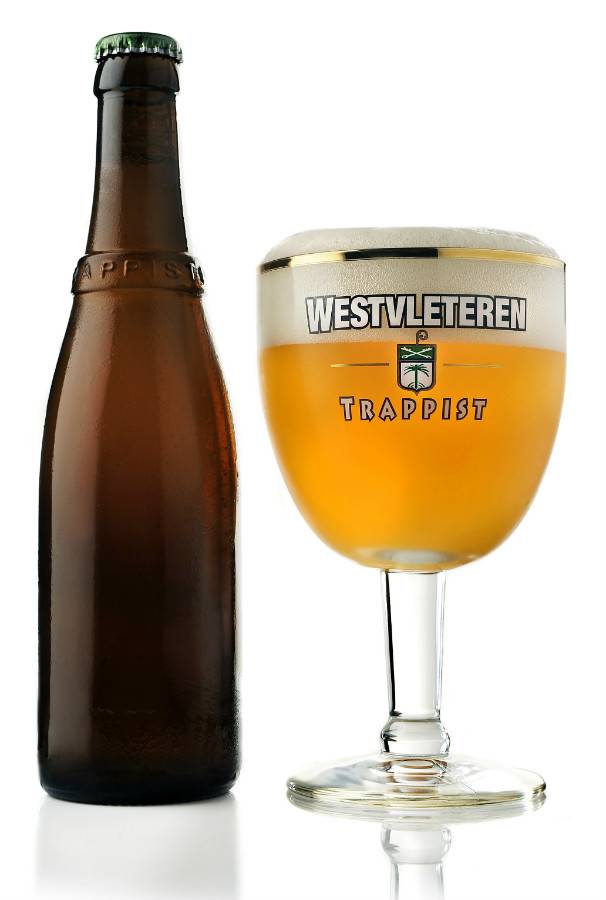
while Trappist breweries have a tradition of brewing a lower-strength beer as a monk's daily ration, the bitter, pale beer this style describes is a relatively modern invention. Westvleteren first brewed their in 1999, but replaced older lower-gravity products. 
Westvleteren Blonde


26B. Belgian Dubbel

Aroma

  • malt aroma: rich-sweet, hints of chocolate, caramel, toast(never roasted or burnt) 
  • hop aroma: low to no, spicy, herbal, floral
  • moderate fruity esters(raisins, plums, dried cherries)
  • spicy phenols(light clove, spice, peppery, rose-like, perfumy) and higher alcohol

Appearance

  • dark amber~copper

Flavor 

  • malt flavor: medium to medium-full 
  • hop flavor: low(optional)
  • hop bitterness: medium-low
  • esters, alcohol, phenol 
  • moderate dry finish 

Mouthfeel

  • medium-full body
  • medium-high carbonation

Style comparison

  • w/ bock: not as malty as bock, should not have crystal malt type sweetness
  • w/ Belgian blond: similar in strength and balance, but a richer malt and ester
  • w/ Belgian dark strong ale: less strong and intense

History and Comments

originated at monasteries in the Middle Ages, and was revived in the mid-1800s after the Napoleonic era.
Chimay Premiere

26C. Belgian Trippel 

Aroma

  • moderate to significant spiciness
  • moderate fruity esters
  • malt aroma: light
  • hop aroma: low but distinctive
  • alcohol: soft, spicy, low
  • generous phenols(spicy, peppery, clove-like)

Appearance

  • deep yellow~deep gold
  • Belgian lace

Flavor

  • malt flavor: soft and round
  • hop flavor: low to moderate
  • hop(+yeast produced phenol) bitterness: medium to high
  • alcohol soft, spicy, low
  • low to moderate phenols
  • low to moderate esters, citrus(orange and lemon)
  • dry finish

Mouthfeel

  • medium-light to medium body
  • highly carbonated

Style comparison

  • w/ Belgian golden strong ale: slightly darker and somewhat fuller-bodied, more emphasize on phenolics and less on esters, more rounded malt flavor, but should never be sweet

History and Comments

originally popularized by the Trappist monastery at Westmalle.
Westmalle Tripel

26D. Belgian Dark Strong Ale 

Aroma

  • malt aroma: rich-sweet
  • hop aroma: very low(usually no)
  • strong to moderately low fruity esters(raisin, plum, dried cherry, fig or prune)
  • spicy phenols, peppery not clove-like
  • low to moderate alcohol, soft, spicy, perfumy, rose-like
  • no dark/roast malt aroma
  • no hot alcohols or solventy aroma

Appearance

  • deep amber~deep coppery-brown

Flavor

  • malt flavor: moderately malty-rich
  • hop(+alcohol) bitterness: medium-low to moderate
  • moderately dry to dry finish, should not be heavy or syrupy

Mouthfeel

  • medium body
  • high carbonation
  • smooth but noticeable alcohol warmth

Style comparison

  • w/ dubbel: fuller body, increased malt richness
  • w/ tripel: not as bitter or hoppy as a tripel but similar strength

History and Comments

authentic Trappist versions tend to be drier than Abbey versions, which can rather sweet and full-bodied.
Chimay Grande Reserve

December 7, 2017

25. Strong Belgian Ale

요약

  • 25A(Belgian blonde ale) 고탄산, 홉+알콜의 쓴맛, 약한 이스티. 라거와 비슷하며 필스 소비층 공략용 
  • 25B(Saison) 왈로니아 지방의 농번기 맥주. 시트러스계 에스테르, 스파이시, 비터&드라이 피니시. 초고탄산. 종류에 따라서는 쓴맛 대신 사워도 가능. 
  • 26C(Belgian golden strong ale) 프루티, 스파이시, 홉+페놀의 비터니스가 특징. 초고탄산. 원조 '듀벨'을 기리며, 고도수를 나타내기 위해 'devil' 단어가 널리 쓰인다. 필스 소비층 공략용

25A. Belgian Blonde Ale 

Aroma

  • malt aroma: lightly grainy
  • hop aroma: light earthy and spicy
  • subtle yeast character

Appearance

  • light to deep gold
  • Belgian lace  

Flavor

  • malt flavor: light to moderate
  • hop flavor: light
  • hop(+alcohol) bitterness: medium 
  • very soft yeast character

Mouthfeel

  • medium body
  • medium-high to high carbonation

Style comparison

  • w/ Dubbel: similar strength
  • w/ Belgian strong golden ale or Tripel: bit sweeter, less bitter

History and Comments

almost lager-like character. My Trappist or artisanal Belgian beers are called Blond but those are not representative this style. relatively recent development to further appeal to European Pils drinkers. 
Affligem Blond

25B. Saison

Aroma

  • the esters moderate to high, oranges and lemons
  • malt aroma: low
  • hop aroma: low to moderate
  • spicy notes, typically peppery
  • herb or spice additions should not dominate
  • (depend on versions)sourness low to moderate

Appearance

  • pale golden~amber 
  • Belgian lace

Flavor 

  • medium-low to medium-high fruity and spicy
  • malt flavor: low to medium 
  • hop aroma: low to moderate
  • hop bitterness: moderate to high(depend on versions, sourness)
  • high attenuation, Saison should never finish sweet 

Mouthfeel

  • light to medium body
  • very high carbonation

Style comparison

  • w/ Belgian blond ale: more highly attenuated, hoppy and bitter
  • w/ Belgian tripel: more grainy, rustic character, spicier yeast character

History and Comments

there is no correlation between strength and color. often called Farmhouse ales in the US, but this term is not common in Europe where they are simply part of a larger grouping of artisanal ales. a provision ale originally brewed in Wallonia, the French-speaking part of Belgium, for consuming during the active farming season.
Lefebvre Saison 1900

25C. Belgian Golden Strong Ale 

Aroma

  • significant fruity esters
  • moderate spiciness
  • malt aroma: light
  • hop(+alcohol) aroma: low to moderate
  • moderate to moderately-low spicy, peppery phenols
  • no hot alcohol or solventy aromas

Appearance

  • yellow~medium gold
  • Belgian lace

Flavor

  • malt flavor: soft 
  • hop flavor: low to moderate
  • hop(+phenol) bitterness: medium to high
  • low to moderately-low phenols
  • soft and spicy alcohol, low to moderate

Mouthfeel

  • light to medium body
  • very high carbonation

Style comparison

  • w/ Tripel: even paler, lighter-bodied and even crispier and drier

History and Comments

references to the devil are included in the names of many commercial examples of this style, referring to their potent alcoholic strength and as a tribute to the original example(Duvel). traditionally bottle-conditioned(or refermented in the bottle). originally developed by the Moortgat brewery after WWⅠ as a response to the growing popularity of Pilsner beers.
Duvel

December 4, 2017

24. Belgian Ale

요약

  • 24A(Witbier) 독일 바이스비어와 달리 코리앤더의 스파이시, 오렌지의 시트러시가 있는, 저장 않고 신선하게 마시는 맥주 
  • 24B(Belgian pale ale) 플레미쉬 지방 맥주. 영국 페일에일의 영향을 받았으나, 보다 복잡한 몰티함과 이스티함이 있음. 여타 벨지안 맥주보다는 덜 이스티함. '페일'이라지만 앰버에서 출발
  • 24C(Biere de garde) 북부 프랑스의 몰트 포워드 맥주. 메르첸과 유래가 같다. 

24A. Witbier 

Aroma

  • malt aroma: moderate sweetness
  • moderate perfumy coriander
  • moderate zesty, citrusy-orangy fruitness
  • vegetal, celery-like, or ham-like aromas are inappropriate

Appearance

  • very pale straw~very light gold
  • very cloudy from starch/yeast haze
  • dense, white, moussy head, should be good retention  

Flavor

  • malty-sweet grain(w/ honey, vanilla)
  • zesty, orange-citrusy fruitiness 
  • hop flavor: herbal spicy(w/ coriander)
  • hop bitterness: low to medium-low
  • bitterness from orange pith should not be present

Mouthfeel

  • medium-light to medium body
  • high carbonation
  • no harshness or astringency from orange pith

Style comparison

  • w/ weissbier: similar, but w/ spice and citrus character coming from additions

History and Comments

the beer tends to be fragile and does not age well, so younger, fresher, properly handled examples are more desirable. a 400-year old Belgian beer style that died out in the 1950s; it was later revived by Pierre Celis at Hoegaarden.  
Hoegaarden wit

24B. Belgian Pale Ale

Aroma

  • malt aroma: moderate
  • hop aroma: low to moderate
  • moderate to moderately high fruitiness(orange, or pear-like)

Appearance

  • amber~copper 
  • head fades more quickly than other Belgian beer

Flavor 

  • malt flavor: moderate toasty, biscuity, nutty, light caramel/honey
  • moderate to moderately high fruitiness
  • hop aroma: medium-low to low
  • hop bitterness: medium high to medium low
  • peppery phenol(optional)

Mouthfeel

  • medium to medium-light body
  • medium to medium-high carbonation

Style comparison

  • w/ England pale ale: similar, w/ a slightly different yeast, a more varied malt profile
  • w/ other Belgian beers: less yeast character

History and Comments

most commonly found in the Flemish provinces of Antwerp and Brabant. Considered "everyday" beers. produced by breweries with roots as far back as the mid-1700s, the most well-known examples were perfected after WWⅡ with some influence from Britain.
De Koninck

24C. Biere de Garde 

Aroma

  • malt aroma: prominent malty sweetness
  • hop aroma: little to no
  • low to moderate esters

Appearance

  • golden blonde~reddish-bronze
  • well-formed head, white to off-white, average persistence 

Flavor

  • malt flavor: medium to high, toasty-rich, biscuity, toffee-like, light caramel 
  • low to moderate esters and alcohol
  • hop flavor: low to no(paler version may be higher)
  • hop bitterness: medium-low

Mouthfeel

  • medium to medium-light body
  • moderate to high carbonation
  • moderate alcohol warming

Style comparison

  • w/ Belgian saison: rounder, richer, malt-focused, lacks of spicy and bitter

History and Comments

three main variations are included in the style: the brown, the blonde, and the amber. attenuation rates are in the 80-85% range. some fuller-bodied examples exist, but these are somewhat rare. name literally means "beer which has been kept or lagered". a traditional artisanal ale from Northern France brewed in early spring and kept in cold cellars for consumption in warmer weather.
Jenlain

December 2, 2017

23. European Sour Ale

요약

  • 23A(Berliner Weisse) 레몬, 사과의 사워. 밀 캐릭터. 저도수, 고탄산.  
  • 23B(Flanders red ale) 와인 느낌. 바닐라, 초콜릿 노트. 페놀릭(옵션), 떫은 맛
  • 23C(Oud Bruin) 셰리 느낌. 바닐라, 초콜릿 노트. 페놀릭(옵션), 떫은 맛 없음, 카라멜리 몰트 
  • 23D(Lambic) 락틱 사워에서 에이징할수록 브렛+몰트 밸런스. 탄산 없음. 
  • 23E(Gueuze) 람빅보다 덜 사워+복잡한 프루티. 고탄산. 
  • 23F(Fruit lambic) 람빅+과일

23A. Berliner Weisse 

Aroma

  • sour character is dominant(moderate to moderately-high)
  • moderately fruit character, lemon or tart apple
  • wheat(uncooked bread dough, in fresher version)
  • hop aroma: no
  • a restrained funky Brettanomyces character(optional)

Appearance

  • very pale straw
  • large, dense, white head, poor retention 

Flavor

  • clean lactic sourness dominates
  • wheat(doughy, bready, grainy) 
  • hop flavor: no
  • hop bitterness: undetectable
  • never vinegary
  • a restrained funky Brettanomyces character(optional)

Mouthfeel

  • light body
  • very high carbonation

Style comparison

  • w/ lambic: less acidic, clearer lactic sourness, lower alcohol

History and Comments

In Germany, it is classified as a Schankbier denoting a small beer of starting gravity in the range of 7-8 plato(1.028~1.032). often served with the addition of a shot of sugar syrups flavored raspberry, woodruff, or Caraway schnapps to counter the substantial sourness. a regional specialty of Berlin; referred to by Napoleon's troops in 1809 as "the Champagne of North".  
Bayerischer Bahnhof Berliner style Weisse

23B. Flanders Red Ale

Aroma

  • complex fruity-sour profile, wine-like impression
  • fruitness is high, black cherries, oranges, plums or red currants
  • low to medium-low vanilla or chocolate note
  • spicy phenols(optional)
  • sour aroma balanced to intense 
  • hop aroma: no
  • prominent vinegary acetic is inappropriate

Appearance

  • deep red burgundy~reddish-brown 
  • white to very pale tan head, average to good retention

Flavor 

  • intense fruitiness, plum, orange, black cherry or red currants
  • mild vanilla or chocolate
  • spicy phenol(optional)
  • malt flavor: complementary to prominent
  • hop flavor: no
  • hop bitterness: restrained
  • acidic, tannin bitterness low to moderate
  • prominent vinegary acetic character is inappropriate

Mouthfeel

  • medium body
  • low to medium carbonation
  • low to medium astringency

Style comparison

  • w/ Oud Bruin: less malty-rich, more fruity-tart

History and Comments

long aging and blending of young and aged beer may occur, adding smoothness and complexity and balancing any harsh, sour character. the reddish color is a product of the malt although an extended, less-than-rolling portion of the boil may help add an attractive Burgundy red. the Flanders red is more acetic and the fruity flavors more reminiscent of a red wine than an Oud Bruin. an indigenous beer of West Flanders, typified by the product of the Rodenbach brewery, established in 1820 in West Flanders but reflective of earlier brewing traditions. The beer is aged for up to 2 years, often in huge oaken barrels which contain the resident bacteria necessary to sour the beer.   
Duchesse de Bourgogne

23C. Oud Bruin 

Aroma

  • medium to medium-high esters, raisins, plums, figs, dates, black cherries, or prunes
  • malt aroma: medium low to medium high, caramel, toffee, orange, treacle, or chocolate
  • spicy phenols(optional)
  • sherry-like character(aged example)
  • hop aroma: no
  • sour aroma should not grow to a noticeable acetic/vinegary character

Appearance

  • dark reddish-brown~brown
  • ivory to light tan head, average to good retention 

Flavor

  • medium to medium-high fruitness 
  • malt flavor: medium low to medium high
  • spicy phenol(optional)
  • a slight sourness, a sherry-like(aged examples)
  • hop flavor: no
  • hop bitterness: restrained
  • sour aroma should not grow to a noticeable acetic/vinegary character

Mouthfeel

  • medium to medium-full body
  • low to moderate carbonation
  • no astringency

Style comparison

  • w/ Flanders red: a deeper malt character, less acetic, fruity flavors are more malt-oriented

History and Comments

long aging and blending of young and aged beer may occur, adding smoothness and complexity and balancing any harsh, sour character. As in fruit lambics, Oud Bruin can be used as a base for fruit-flavored beers such as Kriek(cherries) or frambozen(raspberries). An "old ale" tradition, indigenous to East Flanders, typified by the product of the Liefman brewery, which has roots back to the 1600s. While Flanders red beers are aged in oak, the brown beers are warm aged in stainless steel.
Liefmans Goudenband

23D. Lambic 

Aroma

  • decidedly sour aroma(young example)
  • barnyard, earthy, goaty, hay, horsey, and horse blanket(aged)
  • mild citrus-fruity aroma 
  • hop aroma: no
  • an enteric(캡슐맛?), smoky, cigar-like or cheesy aroma is unfavorable

Appearance

  • pale yellow~deep golden
  • cloudy(younger), clear(older)
  • white-colored head, poor retention 

Flavor

  • noticeably lactic-sour(younger), more in balance with the malt, wheat and barnyard(older)
  • the malt and wheat low
  • hop flavor: no
  • hop bitterness: low to none
  • an enteric(캡슐맛?), smoky, cigar-like or cheesy aroma is unfavorable

Mouthfeel

  • light to meidum-light body
  • medium to high tart, puckering quailty
  • virtually to completely uncarbonated(traditional), moderate carbonated(bottled)

Style comparison

  • w/ gueuze: more simple sourness and complexity
  • lambic is traditionally served uncarbonated, gueuze is bottle and highly carbonated

History and Comments

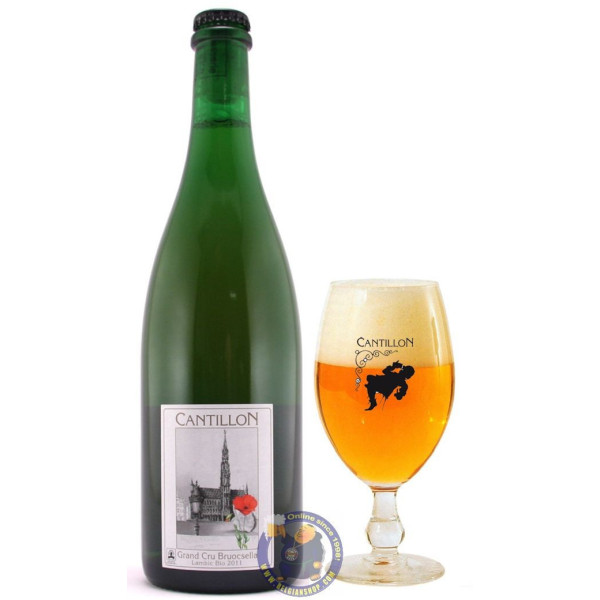
straight lambics are single-batch, unblended beers. they are generally served young(6 months) and on tap as cheap, easy-drinking beers without any filling carbonation. younger versions tend to be one-dimensionally sour since a complex Brett character often takes upward of a year to develop. a noticeable vinegary or cidery character is considered a fault by Belgian brewers. spontaneously fermented wild ales from the area in and around Brussels(the Senne Valley) stem from a farmhouse brewing tradition several centuries old.
Cantillon Grand Cru Bruocsella

23E. Gueuze 

Aroma

  • moderately sour aroma+barnyard, leather, earthy, goaty, hay, horsey, and horse blanket
  • commonly fruity, citrus(grapefruit), apples or other light fruit, rhubarb, or honey
  • hop aroma: no
  • an enteric(캡슐맛?), smoky, cigar-like or cheesy aroma is unfavorable

Appearance

  • golden color
  • thick, rocky, mousse-like, white head that seems last forever 

Flavor

  • a varied fruit flavor+honey
  • malt flavor: low, bready-grainy
  • hop flavor: no
  • hop bitterness: generally absent
  • an enteric(캡슐맛?), smoky, cigar-like or cheesy aroma is unfavorable

Mouthfeel

  • light to medium-light body
  • low to high tart, puckering quality w/o being sharply astringent
  • highly carbonation

Style comparison

  • w/ lambic: more complex and carbonated, more of a well-developed wild character

History and Comments

Guezue is traditionally produced by mixing one, two, and three-year-old lambic. young lambic contains fermentable sugars, old lambic has the characteristic wild taste of the Senne River Valley. lambic is served uncarbonated, gueuze is served effervescent(lively). spontaneously fermented wild ales from the area in and around Brussels(the Senne River Valley) stem from a farmhouse brewing and blending tradition several centuries old.
Boon Oude Geuze


23F. Fruit Lambic 

Aroma

  • a variety of fruit should be the dominant aroma

Appearance

  • a specified fruit generally determines the color  

Flavor

  • a specified fruit should be evident
  • low to moderate sour aroma
  • the classic barnyard characteristics low to high
  • as it ages, the lambic taste will become dominant(thus fruit lambic are not intended for long aging)
  • hop flavor: no
  • hop bitterness: generally absent
  • vanilla or oak(optional)
  • an enteric(캡슐맛?), smoky, cigar-like or cheesy aroma is unfavorable

Mouthfeel

  • light to medium-light body
  • low to high tart, puckering quality w/o being sharply astringent
  • carbonation vary from sparkling to nearly still 

Style comparison

  • w/ lambic: a lambic with fruit

History and Comments

fruit lambics are often produced like gueuze by mixing 1,2,3 years old lambic. fruit is commonly added halfway through aging and the yeast and bacteria will ferment all sugars from the fruit. the most traditional style of fruit lambics include kriek(cherries), framboise(raspberries) and druivenlambik(muscat grapes). IBUs are approximated since aged hops are used; Belgians use hops for anti-bacterial properties more than bittering in lambics.
Cantillon Fou's Foune

November 29, 2017

22. Strong American Ale

요약

  • 22A(Double IPA) IPA 알콜/홉 강화판. 강화 형용사가 '더블'로 수렴중. 
  • 22B(American Strong ale) 미국 IPA보다 몰트가 강조되고, 영국 스트롱 에일+미국홉 
  • 22C(American barleywine) IPA보다는 몰트포워드, 영국 발리와인보다 홉포워드. 끈적하지만 시럽처럼 잔당이 많으면 안됨
  • 22D(Wheatwine) 미국 발리와인에서 홉 내림. 뿌리가 미국 윗비어에 있으므로 독일 바이젠 캐릭터가 나와선 안됨

22A. Double IPA

Aroma

  • hop aroma: prominent to intense
  • alcohol should not be hot

Appearance

  • golden~light orange-copper
  • moderate-size, persistent, white to off-white head 

Flavor

  • malt flavor: low to medium
  • hop flavor: strong and complex
  • hop bitterness: high to absurdly(extremely) high
  • oak is inappropriate

Mouthfeel

  • medium-light to medium body
  • medium to medium-high carbonation
  • no harsh hop-derived astringency

Style comparison

  • w/ English or American IPA: bigger alcohol level, hop bitterness and finish
  • w/ American barleywine: less malty, lower body, less rich, greater overall hop intensity

Comments

the adjective "double" is arbitrary and simply implies a stronger version of an IPA; imperial, extra, extreme. 

22B. American Strong Ale

Aroma

  • malt aroma: moderate to bold
  • hop aroma: medium to high
  • clean to moderately fruity ester profile
  • alcohol should not be hot, harsh, or solventy

Appearance

  • medium amber~deep copper or light brown 
  • moderate-low to medium-sized off-white to light tan head, low head retention
  • leg 

Flavor 

  • malt flavor: medium to high dextrinous malt
  • hop flavor: moderate to high
  • hop bitterness: medium-high to high
  • low to moderate fruity esters
  • burnt malt flavors are inappropriate
  • should not be syrupy and under-attenuated

Mouthfeel

  • medium to full body
  • medium-low to medium carbonation
  • alcohol warmth not be excessively hot

Style comparison

  • w/ American Barleywine: less rich and strong 
  • w/ American or double IPA: more malt balance 
  • w/ English strong ale: more American hop intensity

22C. American Barleywine

Aroma

  • malt aroma: rich
  • hop aroma: moderate to assertive
  • low to moderately strong fruity esters and alcohol

Appearance

  • light amber~medium copper
  • moderately-low to large off-white to light tan head, low head retention
  • high alcohol and viscosity may be visible in 'legs' 

Flavor 

  • malt flavor: moderately-low to moderately-high
  • hop flavor: moderate to high
  • hop bitterness: strong to aggressive
  • low to moderate fruity esters
  • roast or burnt malt flavors are inappropriate

Mouthfeel

  • full bodied and chewy, velvety, luscious
  • low to moderate carbonation
  • alcohol warmth
  • should not be syrupy and under-attenuated

Style comparison

  • w/ English barleywine: greater emphasis on hop bitterness, flavor and aroma, typically paler than dark English barleywine but darker than golden one
  • w/ double IPA: hops are not extreme, malt is more forward, body is fuller, richer

22D. Wheatwine

Aroma

  • malt aroma: moderate to moderately-strong bready, wheaty malt character
  • hop aroma: mild
  • Weizen yeast character(banana/clove)is inappropriate

Appearance

  • gold~deep amber
  • low to medium off-white head, good retention
  • high alcohol and viscosity may be visible in 'legs' 

Flavor 

  • malt flavor: moderate to moderately-high wheaty malt flavor
  • hop flavor: low to medium
  • hop bitterness: low to moderate
  • moderate to moderately-high fruity esters
  • should not be syrupy and under-attenuated

Mouthfeel

  • medium-full to full bodied and chewy, luscious, velvety
  • low to moderate carbonation

Style comparison

  • w/ American barleywine: less emphasis on the hops
  • should not have any German weizen yeast character

November 27, 2017

21. American IPA

요약

  • 21A(American IPA) 영국 버전보다 카라멜, 토스티함 내리고 뉴월드 홉 올리고 바디 내리고 도수 높임
  • 21B(Specialty IPA) 홉 중심, 비터, 드라이, 음용성, 맑음(언필터드 제외), 굿 헤드 공통
    • Belgian IPA 벨지안 이스트 캐릭터. IPA+벨지안 골든 스트롱에일(혹은 트리펠)
    • Black IPA 절제된 다크 몰트 캐릭터. 로스트, 탄맛 없음
    • Brown IPA 카라멜, 초콜릿, 토피, 건과 등 브라운 에일 캐릭터 
    • Red IPA 카라멜, 토피, 건과(브라운보다 약함), 앰버 에일의 센 버전
    • Rye IPA 드라이, 스파이시, 15~20% rye malt
    • White IPA 벨지안 윗비어의 컬러, 얇은 바디, 이스티+스파이시  

21A. American IPA

Aroma

  • malt aroma: low to medium-low  
  • hop aroma: prominent to intense(citrus, floral, pine, resinous, spicy, tropical fruit, stone fruit(eg. peach, plum), berry, melon, etc)
  • esters moderate to none

Appearance

  • medium gold~light reddish-amber
  • medium-sized, white to off-white head with good persistence 

Flavor

  • malt flavor: low to medium-low
  • hop flavor: medium to very high
  • hop bitterness: medium-high to very high
  • residual sweetness should be low to none

Mouthfeel

  • medium-light to medium body
  • medium to medium-high carbonation
  • no harsh hop-derived astringency

Style comparison

  • w/ American pale ale: stronger, more highly hopped
  • w/ English IPA: less English character=less caramel, bread and toast, New world hops, less yeast-derived esters, less body, more hoppy, stronger
  • w/ Double IPA: less alcohol, a similar balance

21B. Specialty IPA

Belgian IPA

Aroma

  • malt aroma: gentle, grainy-sweet
  • hop aroma: moderate to high
  • New world hops+floral and spicy from European hops
  • fruit esters moderate to high

Appearance

  • light golden~amber
  • off-white head is moderate to large in size, good retention

Flavor 

  • moderately spicy and estery from Belgian yeast strains(clove, peppery, banana, pear, apple)
  • malt flavor: light, grainy sweet
  • hop flavor: moderate to high
  • hop bitterness: high

Mouthfeel

  • medium to light body
  • medium to high carbonation

Style comparison

  • American IPA/Imperial IPA+Belgian golden strong ale or Tripel
  • w/ American IPA: spicier, stronger, drier, more fruity

Black IPA

Aroma

  • malt aroma: very low to moderate dark malt
  • hop aroma: moderate to high

Appearance

  • dark brown~black
  • light tan to tan color good head

Flavor 

  • malt flavor: clean, low to medium intensity
  • dark malt low to medium-low
  • hop flavor: medium-low to very high
  • hop bitterness: medium-high to very high

Mouthfeel

  • medium-light to medium body
  • medium carbonation

Style comparison

  • w/ American or double IPA: with restrained roast like Schwazbier 
  • w/ American stout, porter: not burnt, less body, increased smoothness and drinkability

Brown IPA

Aroma

  • malt aroma: medium-low to medium 
  • hop aroma: moderate to moderately-strong

Appearance

  • reddish-brown~dark brown, not black
  • medium-sized, cream-colored to tan head, good persistence

Flavor 

  • malt flavor: medium-low to medium
  • hop flavor: medium to high
  • hop bitterness: medium-high to high
  • no roasted, or harsh-bitter malt character

Mouthfeel

  • medium-light to medium body
  • medium to medium-high carbonation

Style comparison

  • w/ American brown ale: stronger, more bitter

Red IPA

Aroma

  • malt aroma: medium-low to medium 
  • hop aroma: moderate to strong

Appearance

  • reddish-amber~dark reddish-copper
  • medium-sized, cream-colored to tan head, good persistence

Flavor 

  • malt flavor: medium-low to medium
  • hop flavor: medium to very high
  • hop bitterness: medium-high to very high

Mouthfeel

  • medium-light to medium body
  • medium to medium-high carbonation

Style comparison

  • American amber ale+American pale ale
  • w/ American IPA: (addition some darker crystal malt)slightly sweeter, more caramelly, dark fruit-based balance 
  • w/ American strong ale: less intense malt profile, less body
  • w/ American amber ale: stronger, hoppier, dry finish, medium-light body, strong late hop character

Rye IPA

Aroma

  • malt aroma: low to medium-low clean grainy-malty 
  • hop aroma: prominent to intense

Appearance

  • medium gold~light reddish-amber
  • medium-sized, cream-colored to tan head, good persistence

Flavor 

  • malt flavor: low to medium-low
  • hop flavor: medium to very high
  • hop bitterness: medium-high to very high

Mouthfeel

  • medium-light to medium body
  • medium to medium-high carbonation
  • no harsh hop-derived astringency

Style comparison

  • w/ American IPA: drier, slightly spicier, bitterness lingers longer
  • w/ Roggenbier: less intense rye malt character
  • w/ Double IPA: sometimes equally strong

White IPA

Aroma

  • moderate fruity esters-banana, citrus, apricot(may have coriander, pepper)
  • hop aroma: moderately-low to medium 

Appearance

  • pale~deep golden
  • typically hazy
  • moderate to large, dense white head

Flavor 

  • malt flavor: light
  • fruity esters moderate to high
  • hop flavor: medium-low to medium-high
  • hop bitterness: high

Mouthfeel

  • medium-light body
  • medium-high carbonation
  • typically no astringency

Style comparison

  • American IPA(bitter, hoppy)+Belgian Wit(spicy, light)
  • w/ American IPA: less prominent hop aroma and flavor

    November 26, 2017

    20. American Porter and Stout

    요약

    • 20A(American Porter) 영국 버전보다 쓰고, 도수가 높고, 드라이함
    • 20B(American Stout) 다크 몰트와 홉 때문에 포터보다 세고 강렬함
    • 20C(Russian Imperial Stout) 스타우트보다 도수가 높고, 맛이 복잡함. 러시아 궁정용 수출품이었다가 대륙봉쇄령 이후로 영국 국내에도 널리 팔림. 

    20A. American Porter

    Aroma

    • malt aroma: medium-light to medium-strong  
    • hop aroma: low to high
    • esters moderate to none

    Appearance

    • medium brown~very dark brown
    • full tan colored head with moderately good retention 

    Flavor

    • malt flavor: moderately strong, lightly burnt malt character
    • (dark roasted grains)should not overly acrid, burnt or harsh
    • hop flavor: low to high
    • hop bitterness: medium to high
    • fruity esters moderate to none 

    Mouthfeel

    • medium to medium-full body
    • moderately low to moderately high carbonation

    Style comparison

    • w/ English porter: more bitter, often stronger, more dark malt quantities, dryness
    • w/ American stout: less strong and assertive

    20B. American Stout

    Aroma

    • malt aroma: moderate to strong aroma of roasted malts
    • hop aroma: medium to very low
    • medium to low esters

    Appearance

    • generally jet black 
    • large, persistent head of light tan to light brown color

    Flavor 

    • malt flavor: moderate to very high roasted malt flavors
    • low to medium malt sweetness
    • hop flavor: low to high
    • hop bitterness: medium to high
    • alcohol flavors can be present up to medium levels, but smooth

    Mouthfeel

    • medium to full body
    • medium to high carbonation
    • roast-derived astringency, but should not be excessive

    Style comparison

    • w/ Extra or Export stout: a hoppy, bitter, strongly roasted Extra stout 
    • w/ black IPA: much more roast and body
    • w/ Russian imperial stout: bigger, stronger belongs to Russian imperial stout
    • w/ porter: stronger, more assertive, particularly in the dark malt and hop additions

    20C. Imperial Stout

    Aroma

    • malt aroma: subtle to rich and barleywine-like 
    • roasted character can be light to moderately strong
    • hop aroma: low to quite aggressive
    • fruity esters low to moderately strong
    • alcohol character may be present, but should not be sharp, hot or solventy
    • (aged version)vinous or port-like quality, but shouldn't be sour

    Appearance

    • dark reddish brown~jet black
    • deep tan to dark brown head, head retention may be low to moderate
    • high alcohol and viscosity may be visible in 'legs' 

    Flavor 

    • malt flavor: medium to aggressively-high roasted malt
    • hop flavor: medium-low to high
    • hop bitterness: medium to aggressively-high 

    Mouthfeel

    • full to very-full bodied and chewy
    • low to moderate carbonation
    • gentle smooth warmth from alcohol

    Style comparison

    • w/ barleywine: like a black barleywine
    • w/ stout: more complex, with a broader range of possible flavors, higher gravity

    History

    in the 1700s, it's said to be popular with the Russian Imperial Court. After the Napoleonic wars interrupted trade, these beers were increasingly sold in England.

      November 24, 2017

      19. Amber and Brown American Beer

      요약

      • 19A(American Amber ale) 카라멜, 바디 쪽이고 초콜릿, 로스티는 없음.
      • 19B(California Common) 미서부 골드러시 시대에서 기원한 맥주. 클린 퍼멘터를 위해 라거 이스트를 써야 하는데 냉장고가 없어서 오픈 퍼멘터를 썼음. 모던 홉과는 다른 전통 미국홉 캐릭터
      • 19C(American Brown ale) 앰버에서 초콜릿, 로스티를 더함. 영국 오리지널보다 홉, 몰트, 알코올 다 올림

      19A. American Amber Ale

      Aroma

      • malt aroma: moderately-low to moderately-high  
      • hop aroma: low to moderate
      • esters moderate to none

      Appearance

      • amber~coppery-brown
      • moderately large off-white head with good retention 

      Flavor

      • malt flavor: moderate to strong
      • hop flavor: moderate to high
      • fruity esters moderate to none 

      Mouthfeel

      • medium to medium-full body
      • medium to high carbonation

      Style comparison

      • w/ American pale ale: darker, more caramelly, more body, less bitter
      • w/ Red IPA: less alcohol, bitterness, hop character 
      • w/ American strong ale: less strength, malt and hop character
      • w/ American brown ale: should not have a strong chocolate or roast character like American brown ale

      Comment and History

      developed as a variation from American pale ale.

      19B. California Common

      Aroma

      • malt aroma: low to moderate caramel, toasty
      • hop aroma: moderate to high

      Appearance

      • medium amber~light copper color
      • generally clear
      • moderate off-white head with good retention

      Flavor 

      • malt flavor: moderate
      • hop flavor: low to moderately high, showing rustic, traditional American hop qualities(woody, rustic, minty)
      • hop bitterness: pronounced

      Mouthfeel

      • medium body
      • medium to medium-high carbonation

      Style comparison

      • w/ American amber ale: similar but w/ specific choices for malt(more toasty) and hop(traditional) and warm-fermented lager yeast used
      • w/ Australian sparkling ale: less attenuated, less fruity

      Comments and History

      American west coast original, brewed originally as Steam Beer in the Gold Rush era. Large shallow open fermenters(coolships) were traditionally used to compensate for the absence of refrigeration. Fermented with a lager yeast, but one that was selected to ferment relatively clean beer at warmer temperatures.

      19C. American Brown Ale

      Aroma

      • malt aroma: moderate malty-sweet and rich aroma with chocolate, caramel, nutty, and/or toasty
      • hop aroma: low to moderate
      • fruity esters moderate to very low
      • the dark malt character

      Appearance

      • light~very dark brown
      • clear
      • low to moderate off-white to light tan head

      Flavor 

      • malt flavor: medium to moderately-high
      • hop flavor: low to moderate
      • hop bitterness: medium to medium-high
      • very low to moderate fruity esters

      Mouthfeel

      • medium to medium-full body
      • moderate to moderately-high carbonation

      Style comparison

      • w/ American pale ale or amber ale: more chocolate and caramel type flavors, less bitterness in the balance
      • w/ Brown IPA: less bitterness, alcohol, hop character
      • w/ English Brown ale: more bitter, hoppier, richer malt presence, higher alcohol, American/New World hop character

      History

      derived from English brown ales, but with more hops